Rising household energy use affects nearly every modern home, from apartment living to large family houses. Heating, cooling, lighting, and electronics quietly add up to a significant portion of monthly expenses. Fortunately, small upgrades and daily habits can make a noticeable difference without sacrificing comfort. Many solutions are affordable, simple to maintain, and easy to integrate into everyday routines. Understanding where energy is used most helps households focus on changes that deliver real savings. In this article, practical and effective ways to reduce home energy bills are explained in clear, everyday terms.
1. Upgrade to Energy-Efficient Appliances
Choose ENERGY STAR-rated models
Energy-efficient appliances are designed to perform the same tasks while using less electricity. Labels such as ENERGY STAR help identify products that meet strict efficiency standards. Refrigerators, dishwashers, and air conditioners with higher efficiency ratings often consume significantly less power over time. Although the upfront cost may be slightly higher, long-term savings typically offset the difference. Efficient appliances also tend to run quieter and produce less excess heat. Choosing these models is a practical first step toward lowering overall energy use.
Replace old refrigerators, washers, and HVAC systems
Older appliances often use outdated technology that consumes far more energy than modern designs. Refrigerators running continuously can become major energy drains if they are more than a decade old. Washing machines and dryers with inefficient motors or heating elements also raise utility costs. Heating and cooling systems are especially important, since HVAC typically accounts for a large share of home energy consumption. Replacing aging systems with newer, efficient versions can significantly reduce monthly bills. Regular maintenance further ensures these appliances continue operating at peak efficiency.
2. Improve Home Insulation and Sealing
Add insulation in attics, walls, and floors
Proper insulation slows the transfer of heat between indoor and outdoor environments. In winter, it helps keep warm air inside, and in summer, it prevents excess heat from entering. Attics are one of the most important areas to insulate because heat naturally rises. Wall and floor insulation also improve temperature stability throughout the home. Better insulation reduces how often heating and cooling systems need to run. This leads to lower energy use and more consistent indoor comfort.
Seal windows, doors, and ductwork to prevent leaks
Air leaks allow conditioned air to escape and outdoor air to enter, forcing HVAC systems to work harder. Gaps around windows and doors are common sources of energy loss. Weatherstripping and caulking are inexpensive ways to seal these openings. Leaky ductwork can also waste energy by losing heated or cooled air before it reaches living spaces. Sealing ducts improves airflow and system efficiency. Small sealing improvements can collectively result in noticeable energy savings.
3. Use Smart Thermostats and Lighting
Program heating and cooling for when you’re home
Smart thermostats automatically adjust temperature settings based on daily routines. Lowering heating or cooling when no one is home prevents unnecessary energy use. Many systems learn usage patterns and optimize schedules over time. Remote control through mobile apps allows temperature adjustments from anywhere. Even small changes of a few degrees can reduce energy consumption significantly. Automated climate control improves efficiency without constant manual adjustments.
Switch to LED bulbs and use motion sensors
Lighting accounts for a steady portion of household electricity use. LED bulbs consume far less energy than traditional incandescent or halogen options. They also last much longer, reducing replacement costs. Motion sensors prevent lights from staying on in empty rooms. Timers and smart switches further help manage lighting schedules. Efficient lighting solutions offer simple savings with minimal effort.
4. Install Solar Panels or Solar Water Heaters
Generate your own electricity from sunlight
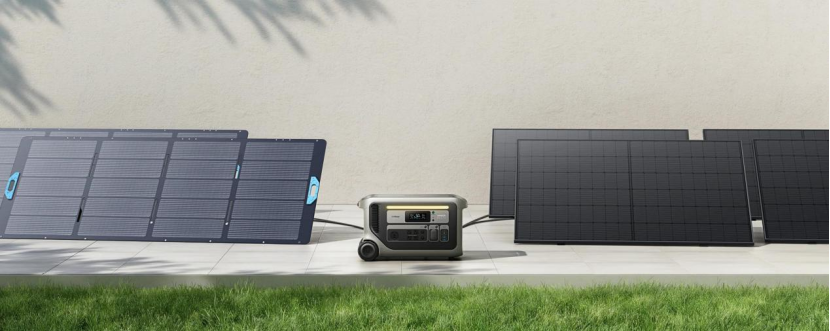
Solar panels allow homes to produce clean electricity during daylight hours, reducing the need to draw power from external sources. Even small-scale systems can support outdoor lighting, device charging, or emergency backup needs. Pairing rooftop or portable panels with a compact solar power bank helps store excess energy for later use, creating a flexible setup for daily routines or outages. Some home energy ecosystems, including options within the Anker SOLIX range, support this kind of modular storage approach while remaining easy to manage. Stored solar energy can then power phones, lights, or small electronics after sunset. Over time, generating and storing personal solar energy contributes to meaningful reductions in electricity expenses.
Reduce reliance on the grid and lower monthly costs
Solar water heaters and photovoltaic systems both reduce dependence on traditional electricity sources. Water heating is a major energy expense in many households, making solar heating particularly effective. By using sunlight instead of electricity or gas, these systems cut ongoing utility costs. Energy generated during sunny periods can offset consumption during peak rate hours. Over the lifespan of the system, savings often outweigh installation costs. Renewable energy systems provide both financial and environmental benefits.

5. Adopt Daily Energy-Saving Habits
Unplug devices when not in use
Many electronics continue drawing power even when turned off, a phenomenon known as standby consumption. Chargers, televisions, and kitchen appliances often use small amounts of electricity constantly. Unplugging devices or using smart power strips can eliminate this hidden usage. Over time, these small reductions add up to noticeable savings. Developing the habit of unplugging unused devices improves overall efficiency. Simple behavior changes can support the impact of larger upgrades.
Wash clothes in cold water and air-dry when possible
Heating water for laundry uses a significant amount of energy. Washing clothes in cold water reduces this demand while still cleaning effectively with modern detergents. Air-drying clothes further lowers energy use by avoiding electric or gas dryers. When dryers are used, cleaning lint filters improves airflow and efficiency. Running full loads instead of partial ones also saves energy and water. Small adjustments in laundry habits can meaningfully reduce household utility costs.
Conclusion
Reducing home energy bills does not require sacrificing comfort or convenience. Efficient appliances, improved insulation, and smart climate control provide strong long-term savings. Renewable energy options add another layer of cost reduction while supporting sustainable living. Daily habits further enhance the benefits of home upgrades. Combining these approaches creates a balanced and practical energy-saving strategy. Thoughtful changes today can lead to lower monthly bills and a more efficient home for years to come.
Visited 1 times, 1 visit(s) today