Solar panels have become one of the most practical upgrades for residential roofs because rooftops provide elevation, sunlight access, predictable orientation, and stable mounting. Homeowners often discover that their roof is the most cost-efficient and space-efficient location for solar collection. Elevation reduces shading from nearby buildings and trees, while fixed slopes help panels capture sunlight more consistently throughout the day. The installation process also fits naturally into existing roof structures, making rooftop systems accessible for many home types. Portable tools like the Anker SOLIX PS400 Portable Solar Panel highlight these principles clearly. When homeowners adjust the PS400 to different angles or move it into brighter areas, they see firsthand why rooftops excel at generating power and why a panels solar home system performs best when the roof layout supports consistent exposure.
Structural and Environmental Factors That Make Roofs Ideal
Rooftop Elevation Maximizes Sunlight Exposure
Residential roofs sit higher than ground-level surfaces, giving solar panels access to longer, uninterrupted sunlight hours. Elevation minimizes shade from fences, garden structures, and vehicles that would otherwise reduce generation. Homeowners benefit from this natural advantage because more sunlight translates directly into more electricity across the year. Observing how the PS400 performs when placed on an elevated deck or hillside reinforces this principle. Sunlight hits the panel more clearly, and the power station charges faster. This comparison helps homeowners understand why rooftops, with their consistent height and open exposure, are prime real estate for long-term solar production and better seasonal performance.
Fixed Slopes Support Efficient Light Capture
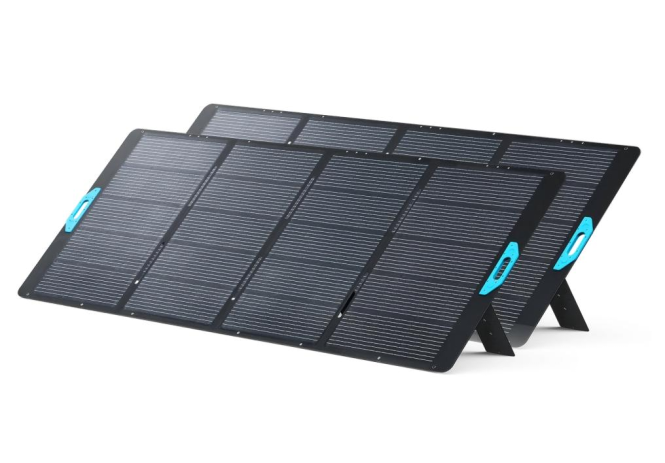
A home’s roof is not only elevated but also angled—an essential factor for strong solar performance. The slope allows panels to face the sky at an efficient orientation, increasing energy yield without constant adjustment. This fixed angle acts as a built-in optimization feature. When users manually adjust the PS400 between its 30°, 40°, 50°, and 80° positions, they quickly see how angle alignment affects output. Roofs provide a similar advantage but on a larger scale. Once installers position the system for the home’s latitude and orientation, the structure itself supports consistent production year-round. This reduces daily management, helping families benefit from reliable generation with very little effort.
Roof Surfaces Provide Stable, Space-Efficient Mounting
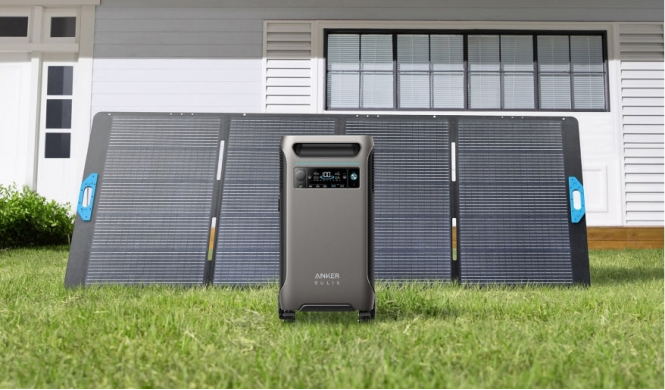
A rooftop offers a wide, stable, and unused surface area—ideal for securely attaching solar hardware. Because this space is already structurally reinforced to hold roofing materials, it can also accommodate panel arrays without reducing functional living areas. Homeowners avoid sacrificing yard space or altering outdoor layouts. The PS400 illustrates this benefit when laid out on any flat surface: it performs best when stable and unobstructed. Residential roofs provide this stability by design. Panel mounts lock into rafters, ensuring that wind, rain, and long-term weather cycles do not compromise performance. This combination of space efficiency and durability makes roofs one of the most practical long-term installation locations.
Practical Benefits That Support Long-Term Home Energy Reliability
Rooftops Create Natural Consistency in Energy Production
Because roofs receive sunlight in a repeating pattern each day, they help homeowners predict how much electricity their panels produce across seasons. Predictability strengthens long-term energy planning and reduces uncertainty related to consumption patterns. The PS400 demonstrates this concept when users test it on different days. By noticing how output trends align with morning or afternoon light, they understand how rooftops act as a consistent backdrop for solar behavior. This consistency allows families to schedule high-demand tasks when production peaks, improving efficiency and ensuring that the home’s energy budget remains stable and manageable throughout the year.
Placement on Roofs Reduces Interference and Weather Stress
Solar panels operate best when airflow passes underneath them to keep temperatures controlled. Rooftop mounting naturally facilitates this cooling effect by creating an air gap between the panel and the roof surface. This airflow supports more stable output and adds resilience. The PS400’s lightweight, foldable structure highlights this when placed on warm ground versus elevated surfaces—higher placement leads to cooler operation and better efficiency. Roofs also reduce risks from accidental interference, such as pets, tools, or foot traffic. Because the installation sits above daily activity zones, panels remain cleaner and safer, lowering maintenance needs and improving reliability long term.
Roof Installations Enhance Energy Independence Without Space Compromise
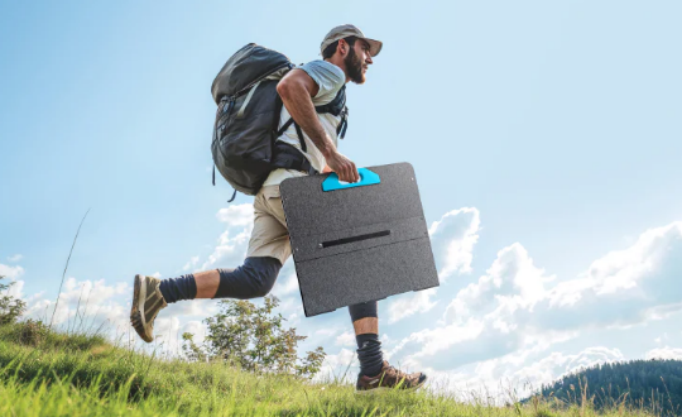
A rooftop system allows a household to generate substantial electricity without using space needed for gardening, recreation, or vehicle storage. Homeowners gain energy independence while maintaining full use of their property. Portable panels like the PS400 help illustrate the value of flexible solar collection. When taken camping or used during outdoor activities, the panel delivers strong performance without permanent installation. This experience reinforces why rooftops are ideal for larger systems: they offer easy access to strong sunlight without intruding into daily living space. The combination of independence and spatial efficiency makes rooftop solar solutions practical for a wide range of households.
Conclusion
Residential roofs provide the structural stability, elevation, sunlight access, and efficient angles that solar panels need to perform well over decades. These built-in advantages turn rooftops into reliable platforms for year-round energy production, making solar adoption simple for many homeowners. Tools such as the Anker SOLIX PS400 Portable Solar Panel help people visualize how sunlight, angle, shade, and elevation influence output, creating clearer expectations when considering a permanent system. By relying on spaces that already support durability and open exposure, rooftop installations maximize efficiency without reducing usable property space. This combination of practicality and strong performance is what makes solar panels especially suited for residential roofs.
Visited 1 times, 1 visit(s) today