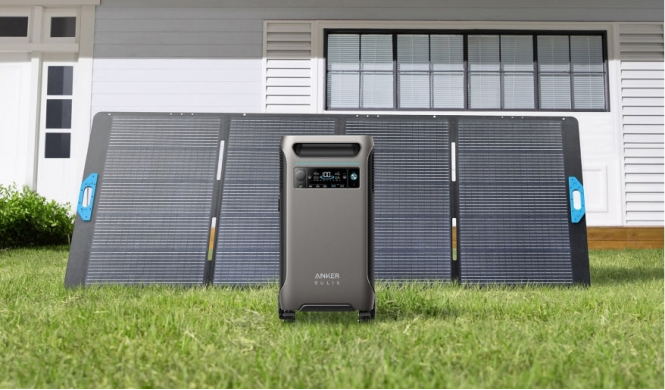
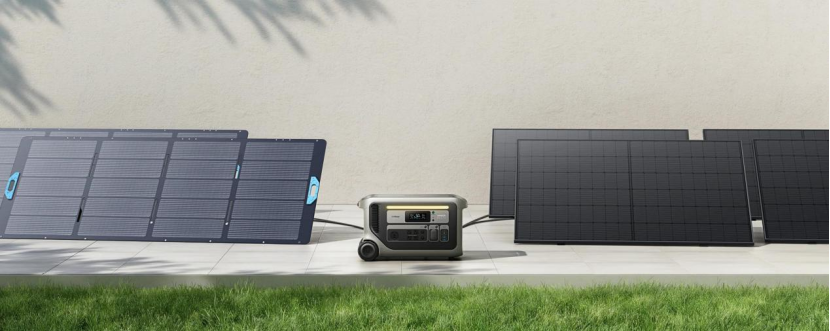
Portable electricity has become an essential part of modern life, from home emergencies to outdoor activities. For decades, gas-powered generators were the default solution when the grid failed or power was needed off-site. However, changes in technology, safety expectations, and daily convenience have shifted what people consider practical backup power. Battery-based systems and solar generators now offer a cleaner, quieter, and more user-friendly experience. These newer options better match the needs of households that want reliable electricity without fuel storage or engine noise. In this article, the key reasons traditional gas generators are gradually being replaced by modern portable power solutions will be explained.

1. Environmental Impact and Regulations
Gas generators produce emissions and noise pollution
Gas generators rely on combustion engines, which release exhaust gases during operation. These emissions can build up in enclosed or poorly ventilated areas, creating safety risks for households. Beyond fumes, engine noise often reaches levels that disturb neighbors and disrupt sleep. During extended outages, the constant rumble can make an already stressful situation feel worse. In contrast, battery-powered alternatives operate without direct emissions and with minimal sound. Cleaner and quieter performance has become increasingly important in residential settings.
Stricter environmental rules limit their use in many areas
Communities are placing tighter limits on where and when fuel generators can run. Noise restrictions in neighborhoods often make overnight use difficult or impossible. Some indoor and shared living environments prohibit combustion devices altogether due to air quality concerns. These rules reflect growing awareness of health and environmental effects tied to engine exhaust. As a result, users are seeking backup power options that meet safety expectations without regulatory complications. Battery and solar systems naturally fit these evolving requirements.
2. Rising Fuel Costs and Inconvenience
Gas prices are volatile and storage can be hazardous
Fuel costs can change quickly, making it hard to predict the long-term expense of operating a gas generator. Storing gasoline at home also presents challenges, especially in small living spaces. Containers must be sealed carefully and kept away from heat sources to reduce fire risk. Over time, stored fuel can degrade, leading to starting problems when the generator is finally needed. These practical concerns add hidden stress to emergency preparation. Reducing reliance on fuel simplifies household readiness.
Refueling is messy and generators require frequent maintenance
Operating a gas generator involves more than simply turning it on. Fuel must be poured carefully to avoid spills, and refueling may be needed multiple times during long outages. Engines also require oil checks, filter replacements, and periodic servicing to remain reliable. If maintenance is skipped, performance can drop or the unit may fail to start. These tasks can be inconvenient during bad weather or late at night. Battery-powered systems avoid most of these routine mechanical demands.
3. Advancements in Battery Technology
Lithium batteries now offer high capacity and long life
Modern lithium battery technology has improved both energy storage and durability. Higher capacities allow portable power stations to run essential devices for many hours on a single charge. Long life cycles mean the battery can be used repeatedly over years without major performance loss. This reliability makes them suitable not only for emergencies but also for everyday tasks like outdoor work or travel. Clear displays often show input, output, and remaining charge in easy-to-understand watts units. Better battery performance has made non-fuel solutions far more practical than in the past.
Portable power stations provide instant, silent power
Battery-based power stations deliver electricity the moment they are switched on. There is no engine to warm up and no pull cord to struggle with in the dark. Silent operation allows them to run inside bedrooms or living rooms without disruption. Devices can be plugged in directly, just like using a wall outlet. This simplicity reduces stress when power is urgently needed. Quiet, instant energy has become a defining advantage.
4. Solar and Clean Energy Integration
Solar generators recharge for free using sunlight
Solar generators add another level of independence by allowing energy to be replenished from the sun. Portable panels can be placed on a balcony, in a yard, or at a campsite to collect daylight and recharge the battery. This removes the need to search for fuel during extended outages. Larger-capacity models such as the Anker SOLIX F2000 Portable Power Station are built to accept substantial solar input while storing enough energy for home essentials. Combining generous storage with strong output makes it possible to power lights, small appliances, and communication devices with renewable energy. Over time, sunlight becomes a reliable and cost-free source of replenishment.
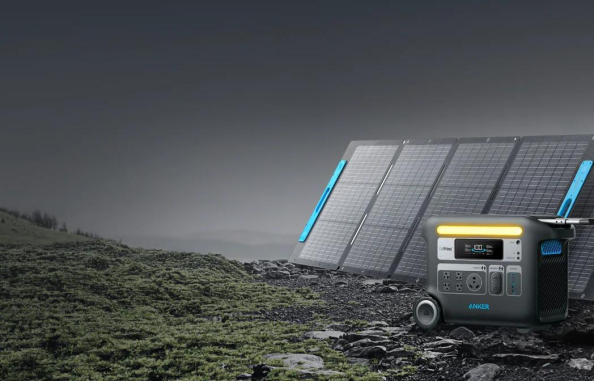
Enable off-grid and renewable power independence
Solar charging supports electricity access in places where grid power is unavailable or unreliable. Campers, travelers, and remote workers can maintain devices without depending on fuel deliveries. At home, renewable recharging provides an extra layer of resilience during long disruptions. Using stored solar energy also reduces overall reliance on combustion-based power sources. This shift reflects a broader move toward cleaner and more sustainable technology in everyday life. Flexible charging options increase confidence in backup systems.
5. Changing User Preferences and Safety
People prefer quiet, indoor-safe, and easy-to-use options
Households increasingly value products that fit smoothly into daily routines. Quiet operation, simple controls, and indoor safety are now top priorities. Battery-powered stations meet these expectations by avoiding fumes and loud engine noise. Clear screens and labeled ports make them accessible even for users with limited technical experience. Lightweight designs also help when moving power between rooms. Convenience has become just as important as raw output.
Modern alternatives require minimal upkeep and no fuel handling
Battery and solar generators have far fewer moving parts than engine-driven machines. This reduces the chance of mechanical failure and eliminates most routine servicing tasks. There is no need to buy, transport, or store flammable liquids. Periodic charging and basic cable checks are usually enough to keep the system ready. Less maintenance means fewer surprises when an emergency occurs. Simpler ownership encourages more consistent preparedness.
Conclusion
Traditional gas generators once dominated backup power, but their drawbacks are becoming harder to ignore. Noise, emissions, fuel handling, and maintenance all add complexity to their use. Meanwhile, advances in batteries and solar charging have created cleaner, quieter, and more convenient alternatives. Portable power stations now provide dependable electricity that fits modern lifestyles and safety expectations. As technology continues to improve, fuel-based generators are steadily losing their place as the default emergency solution.
Visited 1 times, 1 visit(s) today